
In the current education system, inclusivity is one of the major concerns, and schools are striving hard to accommodate all students, irrespective of how different their learning needs are. A Special Education (Special Ed) Resource Teacher has the responsibility of supporting students with disabilities or special learning needs with the support and differentiated instruction they need to achieve in the classroom. These teachers are not merely teaching academic material; they are building futures for students who may otherwise fail to thrive in a general learning setting.
What is a Special Ed Resource Teacher?
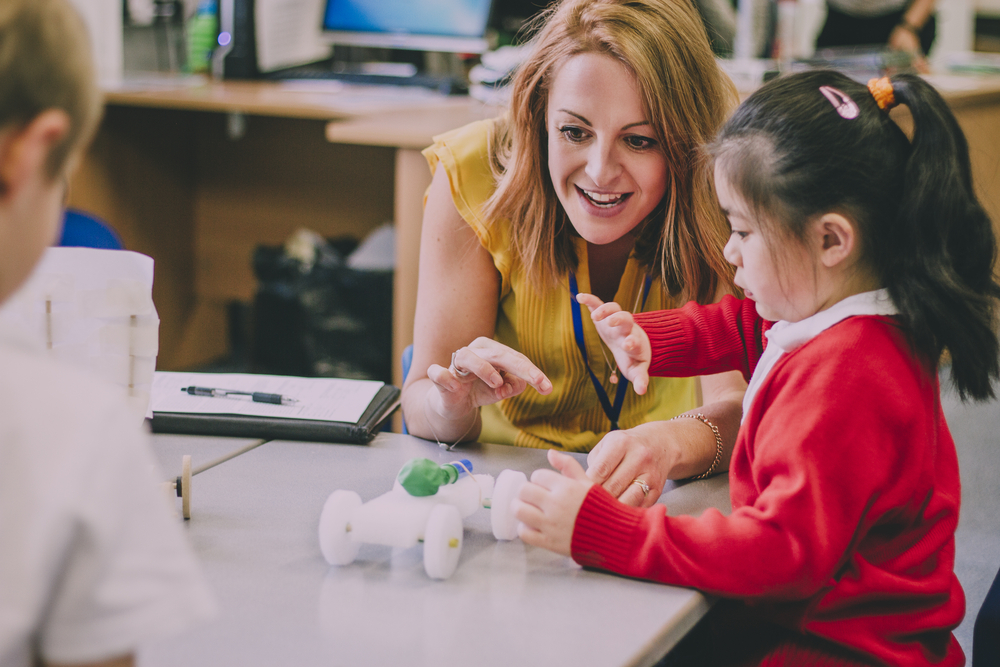
A Special Ed Resource Teacher is a very qualified teacher who offers assistance to students possessing physical, cognitive, or emotional disabilities. The disability may be mild, such as dyslexia, or extreme, such as autism spectrum disorder or intellectual disability. Special Ed teachers collaborate with general education teachers to provide additional support and various types of instruction to enable students to achieve their academic and social-emotional goals.
Ordinarily, the Special Ed Resource Teachers work from a resource room. That's a space in which students have individual or small-group instruction. They do work in regular classrooms, however. There, they work alongside general teachers to coordinate students with disabilities being integrated in the classes. Sometimes they are helping one-to-one or they help with managing behavior and developing emotions.
Principal Responsibilities of a Special Education Resource Teacher
Individualized Education Plans (IEPs)
One of the most significant responsibilities of a Special Ed Resource Teacher is to create and carry out Individualized Education Plans (IEPs). IEPs are created with parents, general education teachers, and specialists to address the special needs of all students. An IEP may include accommodations, such as extra time for tests, special teaching techniques, or behavior objectives.
Differentiated Instruction
Differentiated instruction is essential to Special Ed teachers. They change lessons so all students, no matter what their learning needs are, can understand the lesson. For example, they might break down instructions, include pictures, or include assistive technology based on each student's strengths and needs.
Help and Assistance
Special Ed teachers assist their students by ensuring they have all they require and are included in school activities. They collaborate with school administrators and other teachers to assist students in any manner possible. They also collaborate with families to inform them of how the child is performing and whether or not additional assistance is required in the home.
Monitoring and Assessment
Teachers are constantly monitoring and updating on how the students are doing. Special Ed teachers utilize numerous tools and techniques to monitor how students are doing in meeting their objectives and modify their instruction as necessary. They also assist in pinpointing areas in which a student may require additional assistance.
Social and Emotional Support
The majority of students with disabilities have trouble not only with school assignments but also with peer relationships and coping with their feelings. Special Ed teachers offer a safe and supportive setting in which students can build self-esteem, learn social skills, and cope with emotional problems. They assist students in coping with peers, coping with frustration, and learning to cope positively.
The Role of Special Education Resource Teachers
The job of a Special Ed Resource Teacher is extremely important. Special Ed teachers guide students with disabilities, guiding them through their life in school using the tools and methods they need to thrive. By adjusting their methods to the individual needs of each student, Special Ed teachers make sure all students can give their best. Their function in promoting inclusivity is not only important to the students that they assist, but to the school as well. By creating a setting where diversity is celebrated and all students feel at ease being themselves, they assist in creating a more inclusive society.
Conclusion
Teaching Untangled to Support All Learners Being a Special Ed Resource Teacher is a challenging but very rewarding profession. It requires creativity, patience, and an intimate understanding of each student's needs. Through counseling and supporting students with special needs, Special Ed teachers create a learning environment where each student will succeed. At Teaching Untangled, we observe the contribution of these teachers in establishing an inclusive environment. We attempt to assist teachers as well as students by providing tools, strategies, and opportunities for professional development in order to manage the complexities of special education. Let's continue working together in order to manage the complexities of education and provide every student with an opportunity to succeed.


